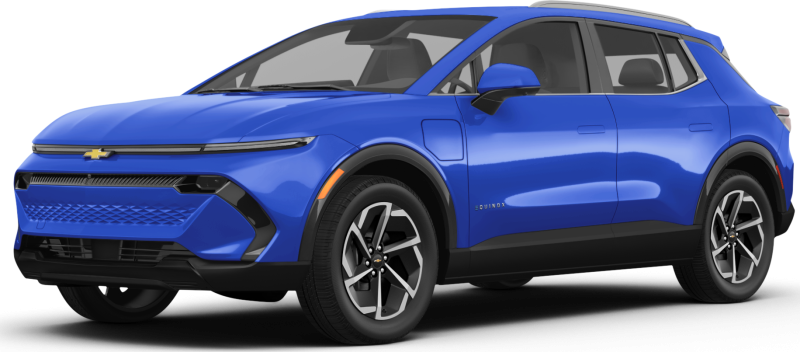
Chevrolet Wheel Alignment in Regina, SK
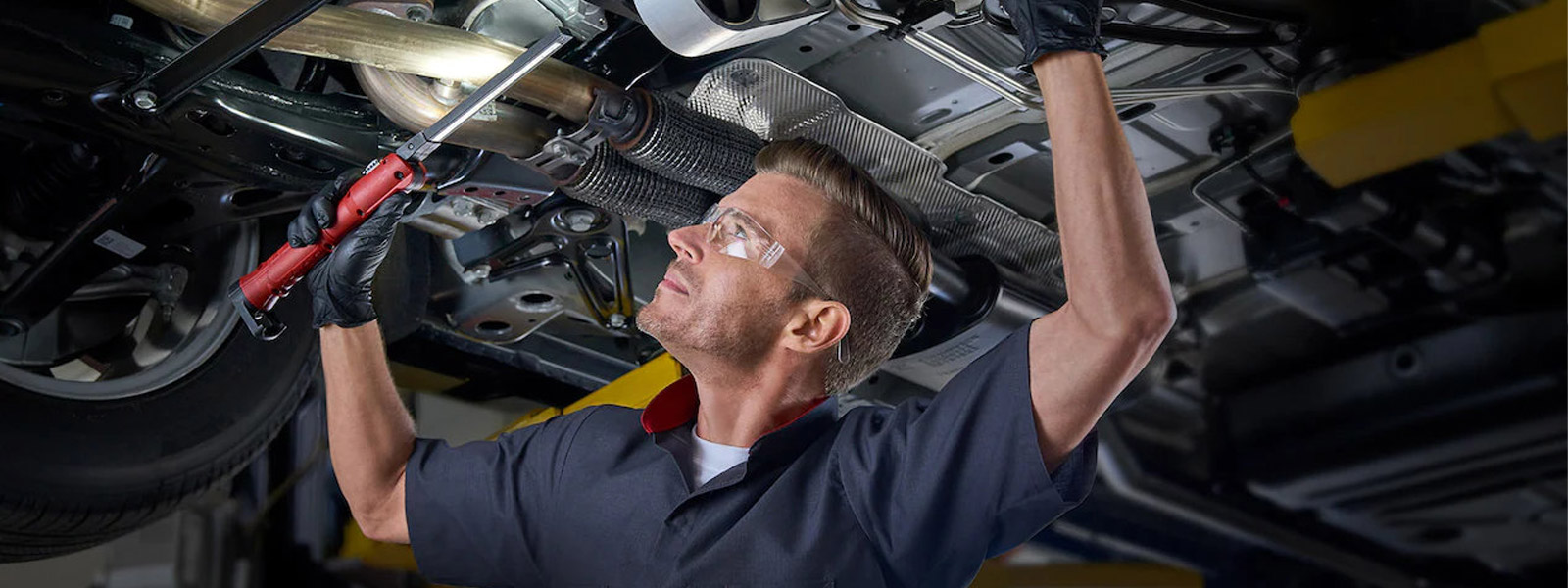
Service Department
Chevrolet Wheel Alignment
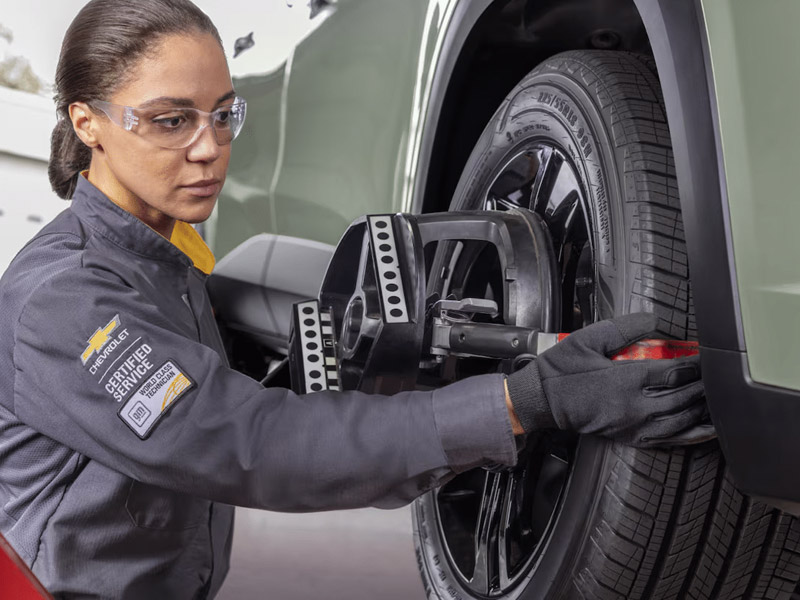
Wheel Alignment Service in Regina, Saskatchewan
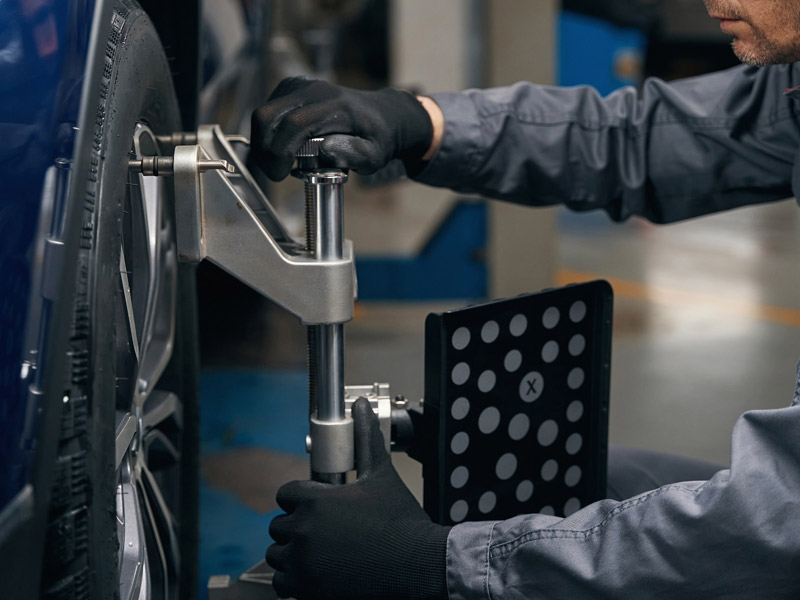
Potholes that show up every spring thaw and the occasional curb strike around Regina can knock a vehicle's alignment out of spec faster than most drivers expect. Wheaton Chevrolet checks and corrects alignment using precision equipment, restoring the wheel angles your Chevrolet, Buick, or GMC was engineered around. Our Certified Service technicians measure camber, caster, and toe against exact manufacturer specifications rather than guesswork, using the same precision equipment for every make and model. Catching alignment problems early protects your tires from uneven wear and keeps steering feeling predictable in every season, from summer road trips to icy winter commutes.

What Alignment Adjusts
Alignment refers to adjusting the angles of the wheels, specifically camber, caster, and toe, so they match the specifications set by the manufacturer. These angles determine how evenly each tire's contact patch meets the road and how directly the vehicle responds to steering input. Correct alignment lets a vehicle track straight without constant steering correction while distributing weight evenly across all four tires. Once alignment drifts even slightly out of spec, tires begin wearing unevenly, and the vehicle can start to feel noticeably less precise at highway speeds, a difference many drivers notice through the steering wheel first, long before any tire damage is visible.
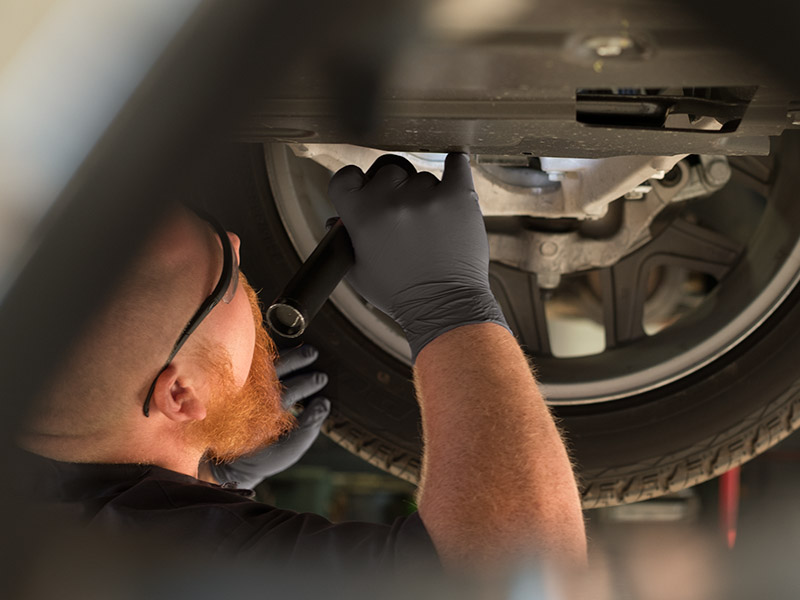
Signs Pointing to an Alignment Problem
A vehicle that drifts to one side on a flat, straight road is usually the clearest sign that alignment has shifted out of spec. Watch for a steering wheel that sits crooked while driving straight, or a vibration that doesn't match the pattern of a typical tire balance issue. Tread wear concentrated on one edge of a tire, rather than spread evenly across the surface, often develops gradually from an alignment issue rather than the tire itself. Ignoring these signs accelerates tire wear, reduces traction in winter conditions, and places uneven strain on suspension and steering components over time. Most of these clues are easy to notice once you know what to look for behind the wheel.
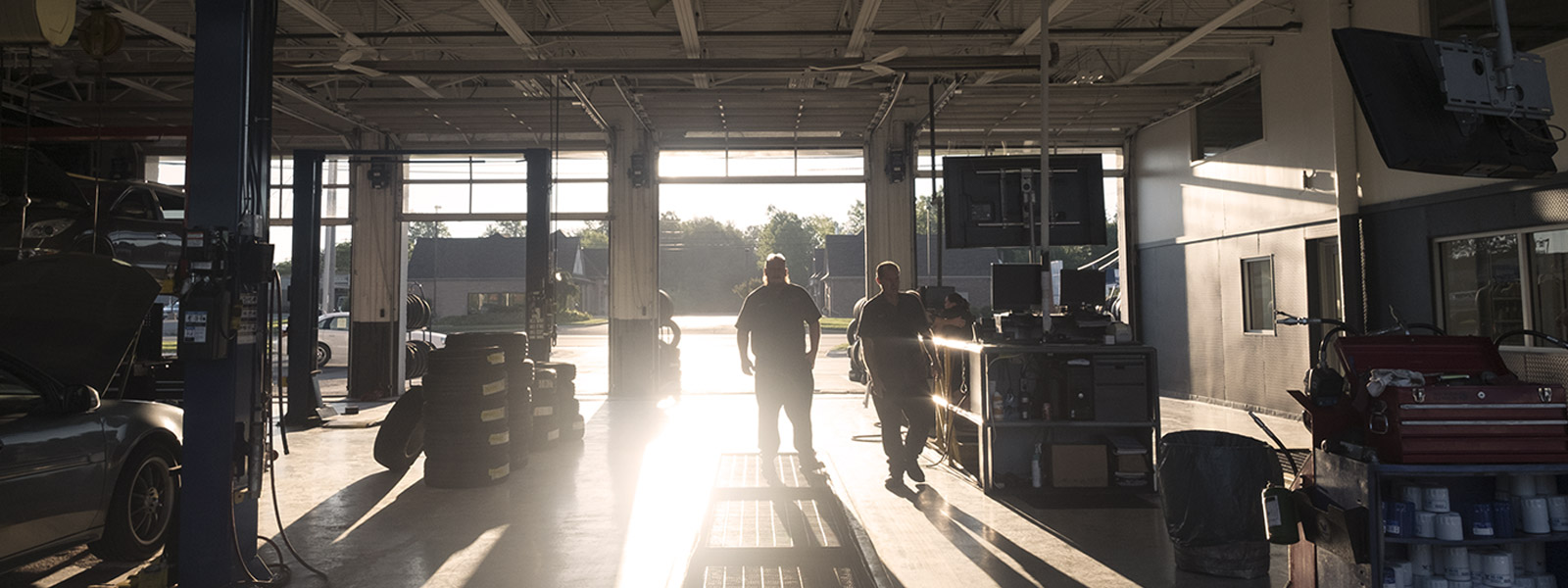
Wheaton Chevrolet Certified Service Department
Wheaton Chevrolet, located at 260 Albert Street North in Regina, performs precision alignments using equipment that measures your vehicle against exact manufacturer specifications. Correcting alignment early protects the tires you've already paid for and restores the steady, predictable handling your vehicle was designed to deliver from the factory, in any season Saskatchewan throws at you. Our technicians can also flag related suspension issues that may be contributing to the drift. Call 306-543-1555, or schedule online, and let our team get your vehicle tracking straight again.
Chevrolet Wheel Alignment FAQs
How often should wheel alignment be checked?
Most manufacturers recommend checking alignment about once a year or every 20,000 km, though hitting a significant pothole or curb warrants a check sooner. Spring in Saskatchewan tends to bring an especially rough batch of potholes after winter freeze-thaw cycles. Catching alignment drift early helps prevent accelerated tire wear.
What's the difference between alignment and tire balancing?
Alignment adjusts the angles of the wheels relative to the road and to each other, while balancing corrects uneven weight distribution across each wheel-and-tire assembly. Misalignment typically causes pulling or uneven tread wear, while imbalance usually shows up as vibration at certain speeds. They address entirely different mechanical issues.
Can hitting a pothole really throw off my alignment?
Yes, a hard impact from a pothole or curb can shift suspension components enough to knock alignment out of specification, even without any visible exterior damage. Spring-thaw potholes are among the most common causes of sudden alignment issues in this region. Having alignment checked after a significant impact is a smart, inexpensive precaution.
What happens if I ignore an alignment problem?
Ignoring alignment problems causes tires to wear unevenly and prematurely, often leading to earlier-than-expected replacement. It also makes the vehicle harder to control precisely and places uneven strain on suspension and steering parts. A simple alignment correction now can prevent a much larger repair bill later.
Does alignment affect fuel economy?
It does. Misalignment increases rolling resistance by causing tires to drag slightly rather than roll freely, which makes the engine work harder and burn more fuel. The effect on any single tank might be small, but it adds up meaningfully over months of driving. Correct alignment keeps tires rolling as efficiently as they're designed to.
How do I know if it's an alignment issue or a tire issue?
A vehicle pulling to one side, an off-centre steering wheel while driving straight, or wear concentrated on one edge of a tire usually points toward alignment. Wear that's spread evenly across several tires can sometimes point to a suspension or tire quality issue instead. A technician can inspect both and identify the actual cause.
Do I only need an alignment when I buy new tires?
Not necessarily. While checking alignment during a new tire installation is common practice, alignment can drift over time due to potholes, curb strikes, or normal wear on suspension components. Regular alignment checks, regardless of tire age, protect both handling and tread life. Waiting only for new tires can let a drift go unnoticed for months.
Can worn suspension components throw off alignment results?
Yes, worn ball joints, tie rod ends, or bushings can prevent an alignment from holding steady, even right after it's been corrected. A technician typically checks suspension components before performing an alignment to catch any parts that need replacing first. Fixing worn parts first ensures the alignment holds over time.
Didn't find the answer you are looking for? Contact us 306-543-1555